
Mindful Talks About Neuro-Reflective Thinking
On June 26th, George Hlavax presented a Mindful Talk on the benefits of Neuro-Reflective Thinking at NIO House Rotterdam.
On June 26th, George Hlavax presented a Mindful Talk on the benefits of Neuro-Reflective Thinking at NIO House Rotterdam.

The world is full of experts offering advice on how to boost neurochemicals that improve mood and motivation. While many of their methods can have impressive positive effects, they often fail to make people feel consistently energetic and motivated, as if those ‘happy hormones’ sometimes forget their job.
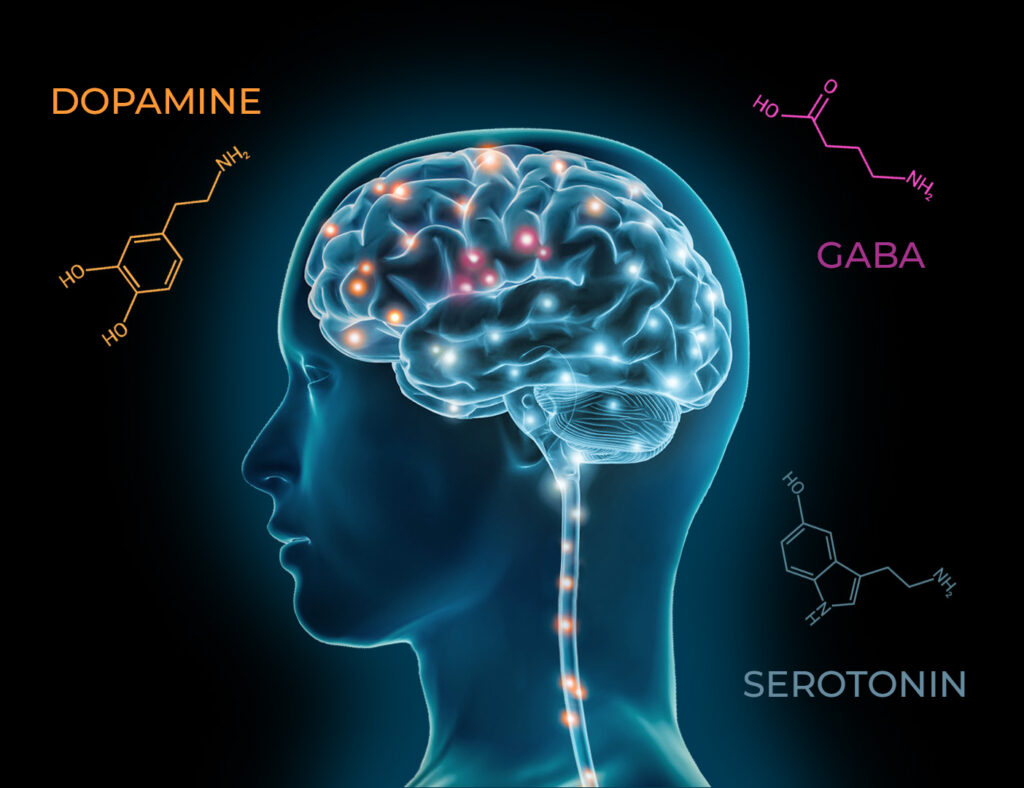
Your brain is an extraordinary electrochemical computer. The more you learn about how its chemistry affects you when you’re the best of yourself, and how it changes when you’re not, the better you’ll understand what exactly is needed to bring yourself into a state of mind that best serves you in any situation.
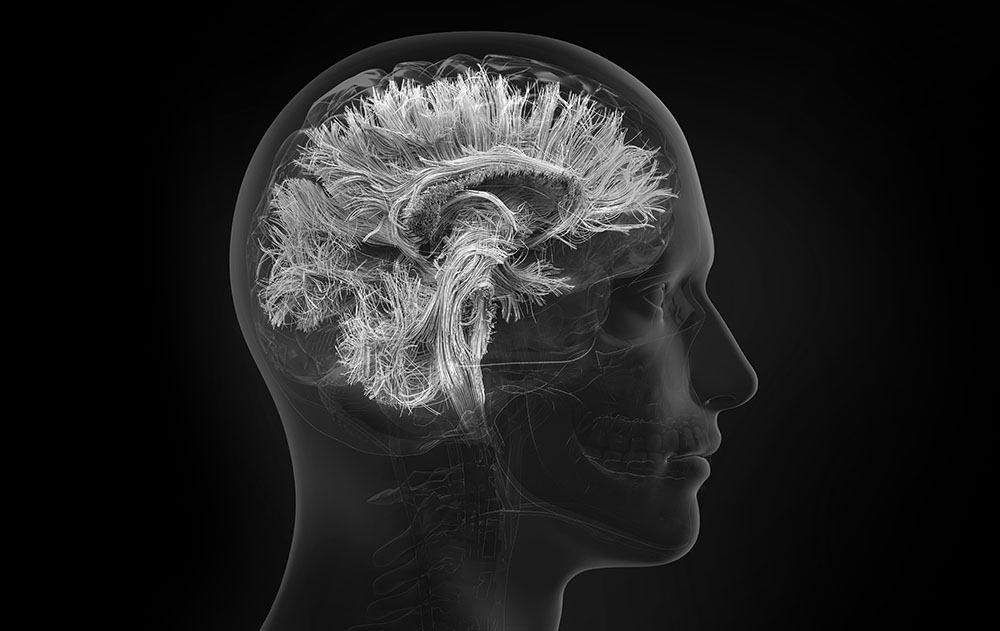
Neuro-Reflective Thinking is a highly effective method for gaining control over your stress mechanisms and achieving the state of mind that best supports you in any situation.

We all have numerous activities in our lives that we dislike but cannot avoid. However, it is just a missing link in our neurologic programming that prevents us from being able to make ourselves feel positive and motivated while doing them. Fortunately, neuroscientsts have invented a method to create that link, so that you will never have to suffer anymore when you need to do things that you would rather avoid.
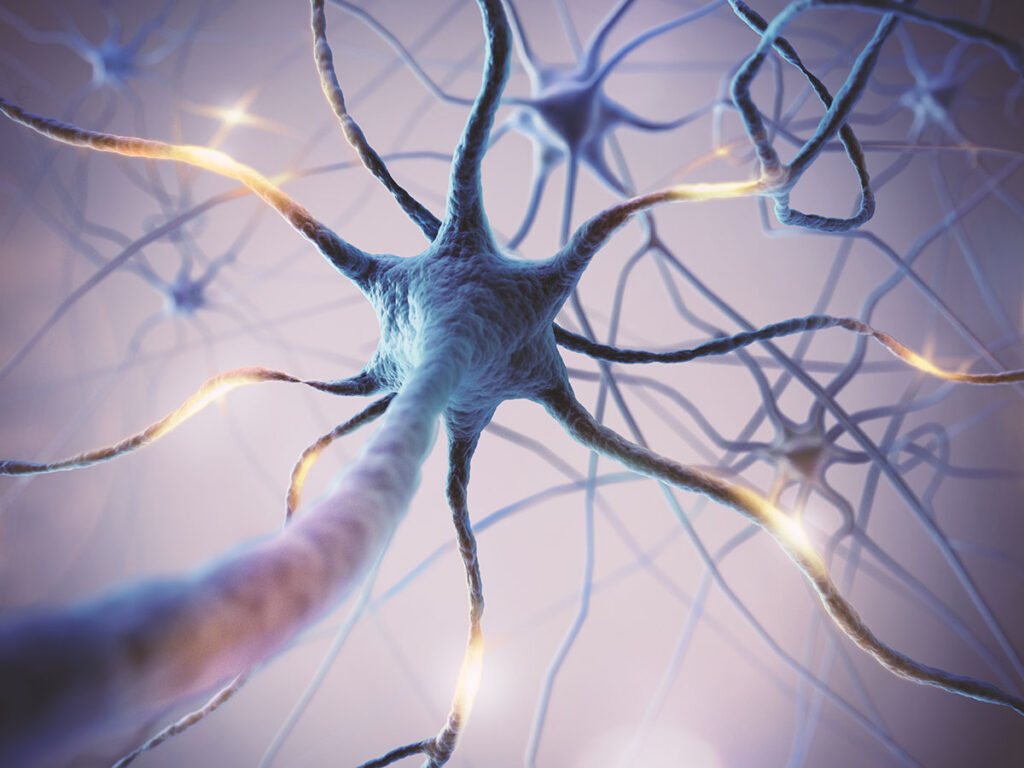
You may believe that bad weather and the lack of sunlight are the reasons why people tend to feel low on energy, melancholic, or even depressed during the winter period. In fact, you only experience low mood and low energy on dark, cold, gloomy days, because your brain wants you to feel that way in such conditions.
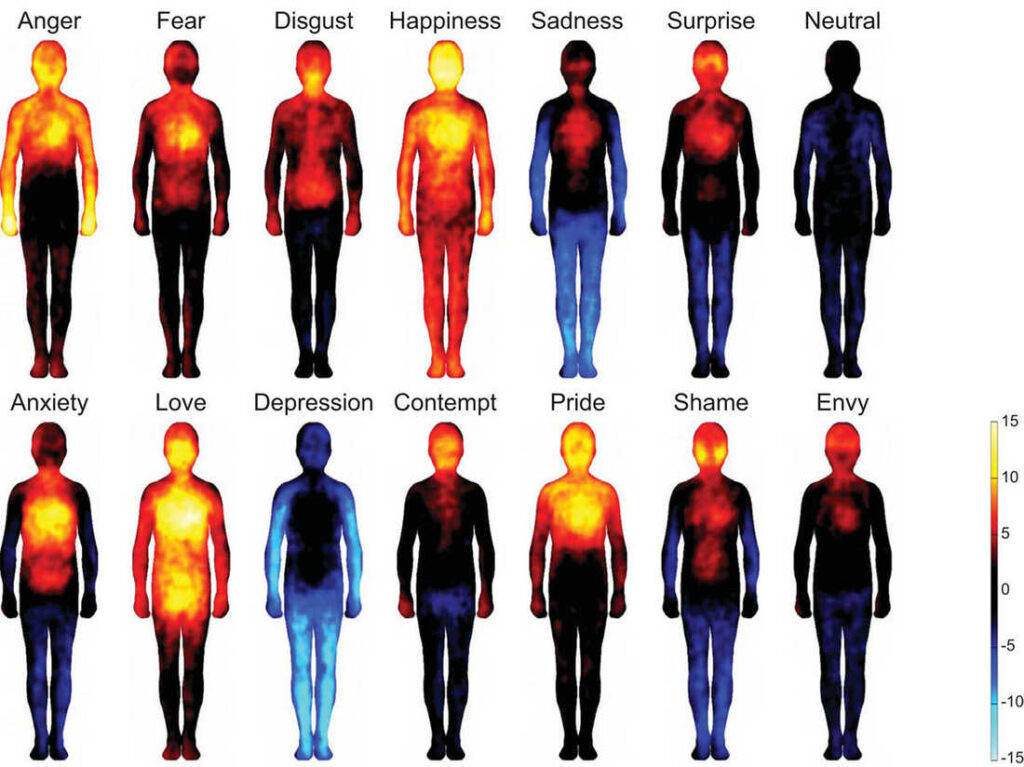
If you understand better how your body participates in the creation and regulation of your emotions you can learn to gain much more control over all your positive or negative feelings.

If you examine the evolutionary origins of your mechanisms of stress and happynes, you can discover how more and more inner conflicts have been developed as human intelligence evolved. If you understand better why and how these conflicts have emerged, you can learn to resolve them in yourself.

Our success-related neurologic response mechanisms have some problematic aspects. When you achieve something important, dopamine is released in certain reward pathways in your brain. However, for the same achievement repeated again and again, that reward usually decreases.
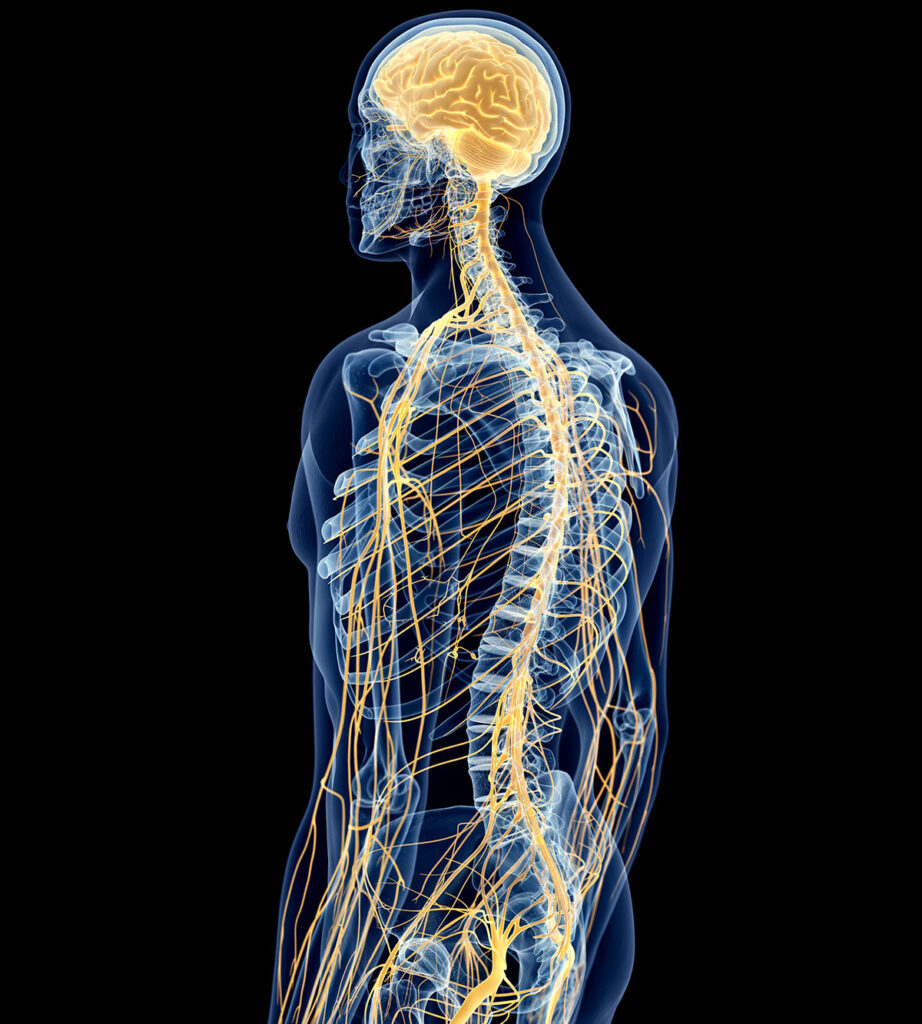
Your body has priority over your mind in expressing feelings of stress or relaxation. This is because your nervous system’s communication to your brain about whether everything is functioning properly inside your body is more important for your survival than responding with feelings to your thoughts.

Turtles can bring themselves into a deeply relaxed state when diving underwater to use as little oxygen as possible. It allows them to stay there for a very long time without breathing. You can learn to induce the same neurological mechanism in yourself through a simple exercise, which can also bring you to an exceptionally deep and joyful state of relaxation whenever you desire.